M2: Blog Post 1
I try to use lots of new reading and writing methods in my 2nd grade classroom. My students will need more than just basic reading and writing skills as they grow up. Right now, they mostly take in information, but soon they'll need to sort through what they hear and read to make their own stuff. They don't create much for others to see at school, but I think many are making things at home they might not fully get. It's amazing how fast kids learn new tech! My students use programs like iReady, Seesaw, Minecraft for school, and other websites that help with reading, writing, and typing. One of the reasons I am most looking forward to this class is to help me learn more information on new technologies and ways that I can use them in my classrooms.
Literacy, defined as just reading and writing English print, creates invisible barriers in our classrooms (NCTE, 2019). This restrictive definition doesn't just limit student potential, it actively undermines our commitment to equity, dismissing the rich tapestry of knowledge and cultural expressions that could otherwise grow within our schools. We need more expansive ideas of new literacies and multi literacies because as we face misinformation, digital manipulation, and educational inequalities, it is apparent that skills-based literacy instruction alone is inadequate. As our digital world grows so must our exposure to all that is "written" no matter what generations before us might believe. We need to start incorporating as much digital exposure in a meaningful way so that as our students grow they are able to adapt to, learn from, and recognize important information from reliable sources.
References:
National Council of Teachers of English. (2019, November 7). Definition of literacy in a digital age.

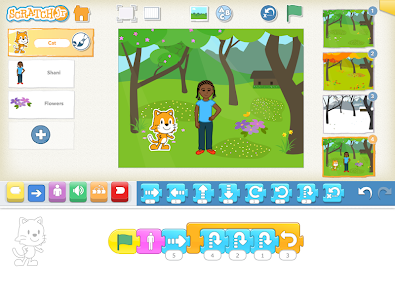
I have never thought about the transition for students from taking in and regurgitating information to when they actually need to start synthesizing their own ideas and conclusions. Yet the same students I mention in that sentiment could program code circles around me while I struggle to figure out how to even input the code. Like you say, it is incredible how much they can learn and figure out with technology.
ReplyDeleteYou make a great point about undermining our commitment to equity, particularly as you mention skills based literacy alone being inadequate. If I had to grade students based on literacy alone I would give about 65% of my class a failing grade. There is so much more to student growth and learning than just what they can read and write in a traditional sense. Some of my students have demonstrated literacy through story books, podcasts, and radio broadcasts they've made that can tell a much fuller and enriching story than they could ever write. This step towards equity is the way of education, and I love your take on it.
Hi!
ReplyDeleteI like how you tied your own classroom to the bigger idea of literacy. Kids definitely pick up technology fast, but like you said, they need more than just the basics, they need to know how to question and make sense of what they see. I agree that we have to go beyond just reading and writing, especially with all the misinformation out there. Bringing in digital tools in a thoughtful way can really set them up for success.