Designing to support practices beyond the screen means recognizing that literacy development in young children is deeply connected to play, storytelling, and their everyday interactions with media. Coggin et al. (2014) emphasize that children are not just passive viewers of popular media, they actively engage with it, remix it, and use it to express their ideas. By incorporating play-based filmmaking and media into the classroom, educators can create rich literacy experiences that go beyond traditional reading and writing.
To engage students in meaningful conversations about new literacy practices, we can build on their natural interests in characters, stories, and digital tools. When children are invited to create their own films or retell familiar stories using media, they begin to understand narrative structure, visual communication, and audience awareness. These conversations become opportunities to explore how stories are built, how messages are shared, and how their own voices matter.
Equity and engagement are important considerations. Coggin et al. (2014) note that popular media can serve as a bridge between home and school, especially for children whose cultural experiences may not be reflected in traditional curriculum materials. By allowing students to choose media that resonates with them, we support inclusive learning and recognize diversity. At the same time, we must ensure that all students have access to the tools and support they need to participate fully—whether through shared devices, collaborative work, or low-tech alternatives.
An activity that I have used in the past is to “Remix a Story”. My students choose a favorite story or media character and create their own version using both analog and digital tools. First, they plan and draw/sketch a: storyboard on paper, imagining new adventures or endings for familiar characters. Next using classroom tablets students act out or narrate their stories, adding props or drawings. Finally, the students present their films to the class and discuss what they changed and why they made those choices. This activity reflects Coggin et al.’s (2014) findings that play-based filmmaking supports literacy by encouraging creativity, collaboration, and critical thinking. It also helps students see themselves as storytellers and media makers, not just consumers—an important step in developing new literacy skills.
References
Coggin, L. S., Wohlwend, K. E., Buchholz, B. A., Wessel Powell, C. L., & Husbye, N. E. (2014). Expanding early childhood literacy curriculum through play-based film-making and popular media. In ECEA Yearbook (Vol. 3, pp. 37–48). Information Age Publishing
Sunday, September 28, 2025
M3 Blog 3 - Leveraging Tools, Texts, and Talk in My Teaching Context

Subscribe to:
Post Comments (Atom)
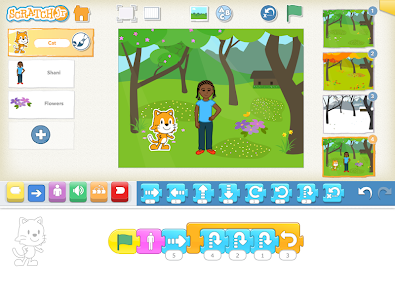
What is ScratchJr? ScratchJr is a block-based programming app created for children ages 5–7. Instead of typing code, kids snap together co...
No comments:
Post a Comment