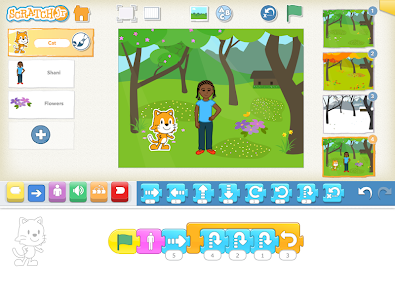
Designing to support practices beyond the screen means recognizing that literacy development in young children is deeply connected to play, storytelling, and their everyday interactions with media. Coggin et al. (2014) emphasize that children are not just passive viewers of popular media, they actively engage with it, remix it, and use it to express their ideas. By incorporating play-based filmmaking and media into the classroom, educators can create rich literacy experiences that go beyond traditional reading and writing.
To engage students in meaningful conversations about new literacy practices, we can build on their natural interests in characters, stories, and digital tools. When children are invited to create their own films or retell familiar stories using media, they begin to understand narrative structure, visual communication, and audience awareness. These conversations become opportunities to explore how stories are built, how messages are shared, and how their own voices matter.
Equity and engagement are important considerations. Coggin et al. (2014) note that popular media can serve as a bridge between home and school, especially for children whose cultural experiences may not be reflected in traditional curriculum materials. By allowing students to choose media that resonates with them, we support inclusive learning and recognize diversity. At the same time, we must ensure that all students have access to the tools and support they need to participate fully—whether through shared devices, collaborative work, or low-tech alternatives.
An activity that I have used in the past is to “Remix a Story”. My students choose a favorite story or media character and create their own version using both analog and digital tools. First, they plan and draw/sketch a: storyboard on paper, imagining new adventures or endings for familiar characters. Next using classroom tablets students act out or narrate their stories, adding props or drawings. Finally, the students present their films to the class and discuss what they changed and why they made those choices. This activity reflects Coggin et al.’s (2014) findings that play-based filmmaking supports literacy by encouraging creativity, collaboration, and critical thinking. It also helps students see themselves as storytellers and media makers, not just consumers—an important step in developing new literacy skills.
References
Coggin, L. S., Wohlwend, K. E., Buchholz, B. A., Wessel Powell, C. L., & Husbye, N. E. (2014). Expanding early childhood literacy curriculum through play-based film-making and popular media. In ECEA Yearbook (Vol. 3, pp. 37–48). Information Age Publishing
Sunday, September 28, 2025
M3 Blog 3 - Leveraging Tools, Texts, and Talk in My Teaching Context

Sunday, September 14, 2025
M2 Blog 2 - How New Literacies are Relevant to Us
M2 Blog 2
This week's readings sparked reflection on how the digital advances create new practices, literacies, and contexts. Teaching isn't static anymore, it's evolving right alongside technology. As an elementary educator, I stand before my students each day and feel that dual responsibility weighing on my shoulders. I feel obligated to teach both curriculum content and essential life skills my students will need throughout their education.
While reading thru the Digital Literacy article (Vanek, 2019) it struck me that I am responsible for making sure my students gain the skills and the knowledge on the proper ways to use technology, find information, and how to use it all. When my students are doing their research unit we are teaching them to find information on certain apps/websites, but what we should also include is how to make sure the information that they are looking at is reputable and from a trusted source. I know that this year I would like to integrate more of a paper approach to their research by bringing them to the library, so that both avenues are available (paper and digital). Students need more than just tech skills to handle today's digital world. Even though students learn how to use touchscreens and other technology early, they also need to know how to think critically about all the information and media they encounter online.
When reading thru the Literacy Leadership Brief (2018), what caught my attention most is how teachers are trying to find the balance between digital and paper. Cell phones in schools have become a hot button issue recently, my district included. I feel cell phones in the classroom is a double-edged sword. They can be great for gathering quick information, but they can also be used negatively towards others. Many students choose not to speak much throughout the day and can simply just text each other. I truly believe that this has caused a negative impact on communication because many people are losing the skills to speak to and in front of others. I know that with this cell phone ban in schools during lunch and free periods many students are starting to interact more with each other, and this is helping them figure out how to appropriately communicate with someone, i.e. eye contact, and this is an important skill to have as they move forward. At the same time with this restriction comes a few losses as well. My daughter is a sophomore and has dyslexia, so during her free periods she would listen to books on her phone, as of right now there is no work around for her as her laptop cannot access the sites that she uses. (Our district has also banned YouTube on student devices). As a teacher in younger grades cell phones are not much of an issue but we do use a lot of technology. In our district we use Seesaw and iReady primarily. Seesaw is nice because students can interact with each other's work as well as parents. I know that as I introduce the app I also introduce the expectations for commenting on another students work. I also moderate the comments and can intervene when necessary, although I haven't as of yet.
Without even thinking about it digital literacy has become an integral part of our everyday lives. As our students grow so does their technological knowledge and with this comes our responsibility along with parents to educate them on proper usage and to guide them on their digital journey. Yet amid this evolution it is our responsibility as educators to keep exposing our students to the paper aspect of reading and writing. We must continue to place real books in their hands and pencils to paper, preserving the essence of literacy. There can be something said about putting pen to paper or cracking open a new book.

International Literacy Association. (2018). Improving Digital Practices for Literacy, Learning, and Justice: More Than Just Tools. Retrieved from: https://www.literacyworldwide.org/docs/default-source/where-we-stand/ila-improving-digital-practices-literacy-learning-justice.pdf
Vanek, J. (2019) Digital Literacy. Retrieved from: https://www.air.org/sites/default/files/TSTMDigitalLiteracyBrief-508.pdf
Sunday, September 7, 2025
M2 Blog 1- Defining New Literacies and Why They Matter
M2: Blog Post 1
I try to use lots of new reading and writing methods in my 2nd grade classroom. My students will need more than just basic reading and writing skills as they grow up. Right now, they mostly take in information, but soon they'll need to sort through what they hear and read to make their own stuff. They don't create much for others to see at school, but I think many are making things at home they might not fully get. It's amazing how fast kids learn new tech! My students use programs like iReady, Seesaw, Minecraft for school, and other websites that help with reading, writing, and typing. One of the reasons I am most looking forward to this class is to help me learn more information on new technologies and ways that I can use them in my classrooms.
Literacy, defined as just reading and writing English print, creates invisible barriers in our classrooms (NCTE, 2019). This restrictive definition doesn't just limit student potential, it actively undermines our commitment to equity, dismissing the rich tapestry of knowledge and cultural expressions that could otherwise grow within our schools. We need more expansive ideas of new literacies and multi literacies because as we face misinformation, digital manipulation, and educational inequalities, it is apparent that skills-based literacy instruction alone is inadequate. As our digital world grows so must our exposure to all that is "written" no matter what generations before us might believe. We need to start incorporating as much digital exposure in a meaningful way so that as our students grow they are able to adapt to, learn from, and recognize important information from reliable sources.
References:
National Council of Teachers of English. (2019, November 7). Definition of literacy in a digital age.
What is ScratchJr? ScratchJr is a block-based programming app created for children ages 5–7. Instead of typing code, kids snap together co...